Easter Dog Embroidery: A Craft Fair Designer’s Review
As an embroidery designer who has spent countless weekends behind a booth table, I look at every new machine embroidery design through a very specific lens. It is not just about whether the artwork is cute; it is about whether it sells. Will it stop a shopper in their tracks? Is it practical to stitch out in bulk before a busy market weekend? Does it photograph well for my online Etsy seller storefront? Today, I am reviewing the Easter Dog design, evaluating its potential as a high-performing craft fair product for spring markets.
First Impressions and Visual Appeal
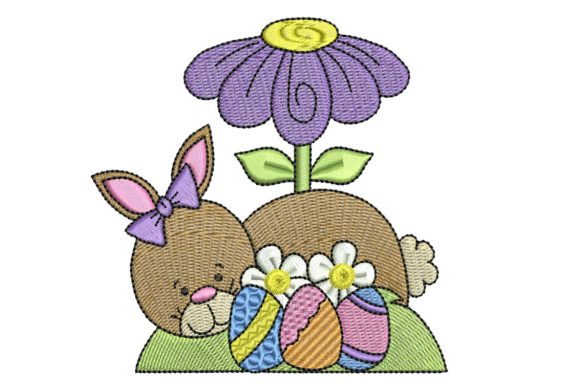
The moment I loaded the digital embroidery file for Easter Dog, the charm was immediate. This design strikes a delicate balance between festive and timeless. It does not scream "holiday" so loudly that it becomes obsolete the day after Easter Sunday. Instead, it offers a soft, whimsical aesthetic that fits perfectly into the modern farmhouse or boutique handmade niche. The character feels approachable and friendly, which is crucial for engaging customers who are looking for gifts rather than just decor.
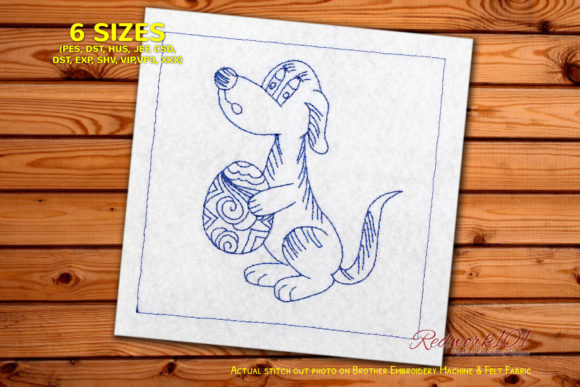
One detail that caught my eye in the preview images is the optional Box Stitch. The description notes that the color of the outer box is often different in most designs unless it is part of the core artwork, meaning you can skip the contour if you prefer a cleaner look. This flexibility is a huge advantage for a small shop product. It allows me to adapt the design to different fabric backgrounds without worrying about clashing outline colors. For a minimalist tote bag, I might skip the box entirely. For a vibrant pillow cover, the box could provide necessary definition.
Product Versatility and Market Fit
When preparing for a craft fair, variety is key, but production time is limited. I need designs that work across multiple substrates. Here is how Easter Dog performs on common handmade items:
- Tote Bag Design: This is likely the strongest contender. A medium-sized hoop placement on a canvas tote creates an instant bestseller. Shoppers love functional art, and this design is large enough to be seen from a distance but detailed enough to reward closer inspection.
- Apron Embroidery: Placing the dog on the bib of a kitchen apron adds a touch of personality. It appeals to the home cook demographic who frequents spring markets.
- Tea Towel Embroidery: Kitchen linens are impulse buys. However, caution is needed here regarding fabric texture. Terry cloth can swallow small details. If the design has fine lines, I would recommend using a cut-away stabilizer and testing on a smooth waffle weave instead.
- Embroidered Patch: If the design scales down well, turning it into an iron-on patch expands your inventory without increasing stitching time per unit. Patches are excellent for adding value to plain hats or denim jackets.
- Pillow Covers: A focal point on a neutral linen pillow cover elevates the perceived value of the item, allowing for a higher price point.
Production Practicality for Batch Selling
For those of us running a commercial embroidery side hustle, efficiency is everything. Before committing to a full batch of twenty tote bags, I always evaluate the stitch density. High-density designs take longer to stitch and use more thread, eating into profit margins. While the exact stitch count is not provided in the brief description, the visual simplicity of Easter Dog suggests it is optimized for speed.
I recommend checking the hoop size requirements carefully. If the design requires a 5x7 hoop, ensure your machine can handle it comfortably. If it fits in a 4x4 hoop, you gain the ability to use smaller, faster machines or multi-head setups. Always test the design on scrap fabric first. Check the thread contrast against your intended fabric colors. A dark thread on a dark navy tote might disappear, ruining the visual impact.
Another critical factor is the "glance test." At a busy craft fair, customers walk past tables quickly. Does Easter Dog read clearly from three feet away? Based on its bold shapes and likely solid fill areas, it should stand out well. Avoid placing it too low on a bag where it might get obscured by handles or folds. Center it prominently to maximize buyer engagement.
Technical Considerations and Careful Use
Even the best designs have pitfalls if not handled correctly. Here are my professional notes for executing Easter Dog flawlessly:
- Fabric Texture: As mentioned, textured towels can distort small details. If the dog has tiny facial features, ensure they are not lost in the pile of the fabric. Use a water-soluble topping if necessary to keep stitches clean.
- Curved Surfaces: If applying this to caps, remember that curved surfaces distort designs. You may need to adjust the pull compensation or choose a simpler version of the design without intricate borders.
- Dense Stitch Areas: Check for any areas where the stitching is too thick. On lightweight fabrics like cotton tea towels, heavy density can cause puckering. Always use the right stabilizer—tear-away for stable woven fabrics, cut-away for stretchy knits or items that will be washed frequently.
- Small Lettering: If the design includes text, verify its legibility at the intended size. Small lettering often merges together after washing. If the text is not essential, consider removing it to focus on the graphic element.
Enhancing Your Brand and Online Presence
Beyond the physical booth, how does Easter Dog perform online? For Etsy sellers and digital creators, this design is a goldmine for printable mockup creation. A clean, well-lit photo of the embroidered dog on a crisp white tote can drive significant traffic. Use these images as design assets in your social media marketing leading up to the spring season.
Consistency is vital for brand building. If your shop focuses on rustic home goods, pair Easter Dog with natural linen and earth-tone threads. If your brand is more playful and modern, use bright pastels and bold canvas. The design is versatile enough to support both narratives, but your execution must remain consistent with your overall brand identity.
Before listing any finished product for sale, confirm the licensing terms of the embroidery file. Most designers allow commercial use for physical items, but restrictions may apply to digital redistribution. Ensure you are compliant to protect your business.
Final Verdict
The Easter Dog embroidery design is a strong candidate for any spring collection. It balances cuteness with commercial viability, offering enough flexibility to work on various products from tote bags to patches. Its optional border feature allows for creative customization, helping your products stand out in a saturated market. By paying attention to fabric choice, stabilizer selection, and placement, you can turn this digital asset into a high-margin handmade product that delights customers and boosts your bottom line. Test it, tweak it, and let it bring some seasonal joy to your next craft fair display.