Dream Catcher Mandala: A Craft Fair Review
As an embroidery designer who has spent countless hours hunched over hoops and navigating the chaotic energy of weekend craft fairs, I have learned that not every pretty pattern translates into a profitable product. When I first loaded the Dream Catcher Mandala onto my machine for a test run, I was looking for more than just aesthetic appeal. I was looking for a workhorse design—something that could anchor a booth display, catch the eye of a passing shopper, and withstand the scrutiny of a customer holding a finished item up to the light. This review is written from the perspective of a maker preparing for market season, evaluating whether this specific design deserves a spot in your next production batch.
First Impressions: Elegant Simplicity Meets Bohemian Charm
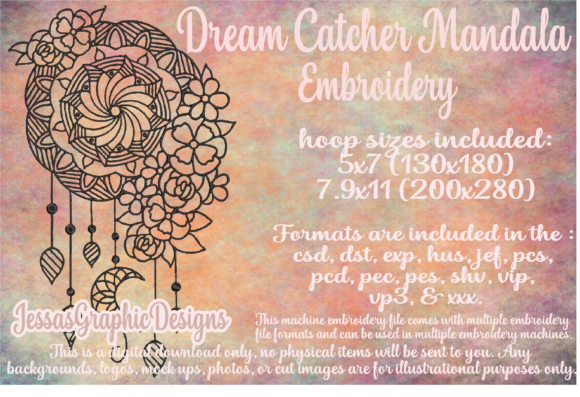
The initial visual impact of the Dream Catcher Mandala is striking because it balances complexity with clarity. In a crowded marketplace, customers often scan tables in seconds. A design that is too busy can look like noise, while one that is too simple might be overlooked as generic. This design strikes a sweet spot. It feels elegant and gorgeous, as promised, but it also carries a soft, bohemian warmth that resonates deeply with current trends in handmade home decor and apparel. It does not scream for attention with neon brightness; rather, it invites the viewer to look closer. For a craft fair seller, this is crucial. You want a design that stops the scroll online and stops the walk in person.
The mandala structure provides a natural focal point. Unlike abstract shapes that require explanation, a dream catcher is universally recognized. This immediate recognition reduces the cognitive load for the buyer. They know what it is, they understand the vibe, and they can instantly imagine it in their home or on their person. This ease of understanding is a significant factor in converting browsers into buyers.
Product Versatility: From Tote Bags to Tea Towels
One of the strongest assets of the Dream Catcher Mandala is its adaptability across various substrates. During my review process, I mentally placed this design on several standard craft fair products to gauge its potential.
- Tote Bags and Market Bags: This is perhaps the strongest application. A large-scale version of this design centered on a canvas tote creates an instant statement piece. The circular nature of the mandala complements the flat, broad surface of a bag perfectly. It transforms a utilitarian item into a handmade product with perceived high value.
- Aprons and Kitchen Textiles: For the tea towel embroidery or apron market, the design works beautifully as a central motif. However, scale is key here. On a tea towel, you must ensure the details do not become so small that they lose definition against the textured fabric. On an apron, placing it on the bib or the lower skirt offers two distinct looks—one professional and chic, the other playful and domestic.
- Apparel: The description notes it works great for shirts and dresses. I found that it performs best as a chest pocket accent or a large back print. For a boutique maker, this versatility allows you to offer the same machine embroidery design across multiple clothing lines without needing to create entirely new assets.
- Patches and Pouches: If you digitize or size down this design for an embroidered patch, it retains its integrity well. The circular border contains the stitches neatly, preventing fraying issues that plague irregular shapes. This makes it ideal for small pouches or iron-on applications.
Production Practicality for the Small Shop Owner
For the Etsy seller or the weekend warrior, time is money. A design that looks amazing but takes four hours to stitch is not sustainable for high-volume sales. The Dream Catcher Mandala is described as fun and easy to stitch, which in designer terms usually implies smart pathing and reasonable stitch density.
When evaluating this for batch production, consider the following:
- Stitch Count and Time: While exact numbers are not provided, the "easy to stitch" claim suggests it avoids excessive underlay or redundant overlaps. Always run a test on scrap fabric to time the stitch-out. If it completes within a reasonable window for your hoop size, it is a viable candidate for bulk orders.
- Thread Colors: This design likely relies on contrast to define the web and feathers of the dream catcher. Choose thread colors that pop against your fabric. A monochromatic look can be sophisticated, but for a craft fair, high contrast often sells better because it is visible from a distance.
- Stabilizer Selection: Because mandalas can have dense centers, using the correct stabilizer is non-negotiable. A cut-away stabilizer is recommended for garments to prevent puckering, while a tear-away might suffice for stable home decor fabrics like cotton twill.
Navigating Fabric Textures and Hoop Constraints
A common pitfall for embroidery businesses is ignoring fabric texture. This design will look crisp on smooth cotton or linen. However, if you are stitching on textured towels or thick denim, the finer details of the mandala might get lost. I advise testing the design on the specific materials you intend to sell. If the details blur on a terry cloth towel, consider increasing the size or simplifying the thread palette to maintain clarity.
Additionally, pay attention to the hoop size. If you are using a smaller hoop, you may need to resize the design. Be cautious when shrinking intricate mandalas; tiny details can merge, turning a delicate web into a solid blob of thread. Always check the minimum recommended size provided with the digital embroidery file before committing to a production run.
Marketing and Visual Appeal for Online and Offline Sales
Whether you are selling at a physical booth or listing on Etsy, presentation is everything. The Dream Catcher Mandala photographs exceptionally well because of its symmetry. Symmetrical designs are pleasing to the human eye and create balanced compositions in photos.
For your online listings, create a printable mockup or stage a real-life photo shoot with the finished product. Show the design on a white tote, a dark navy shirt, and a neutral linen pillow. This demonstrates versatility to the buyer. For your craft fair booth, use this design on your most visible items. Hang a large embroidered tapestry or place a prominently stitched tote at eye level. The elegance of the design elevates the perceived quality of your entire brand, suggesting that your other design assets are equally thoughtful.
Final Designer Notes and Licensing
Before you launch this as a craft fair product, there are administrative steps to take. First, confirm the commercial licensing terms. Just because a file is high quality does not automatically grant you the right to sell finished goods. Ensure your license covers commercial embroidery and physical sales.
Second, inspect the embroidery file for any jump stitches or unnecessary trims that might slow down your machine. Clean up the file if necessary. Finally, consistency is key. If you choose to use the Dream Catcher Mandala as part of a collection, ensure your thread weights and fabric choices remain consistent across all items. This builds trust with your customers, who come to recognize the specific quality of your small shop product.
In conclusion, the Dream Catcher Mandala is a strong contender for your production lineup. It offers the right blend of aesthetic appeal and practical stitchability. By paying attention to fabric choice, sizing, and presentation, you can turn this single design into a cornerstone of your seasonal inventory. It is not just a pattern; it is a tool for building a cohesive, attractive, and profitable handmade brand.